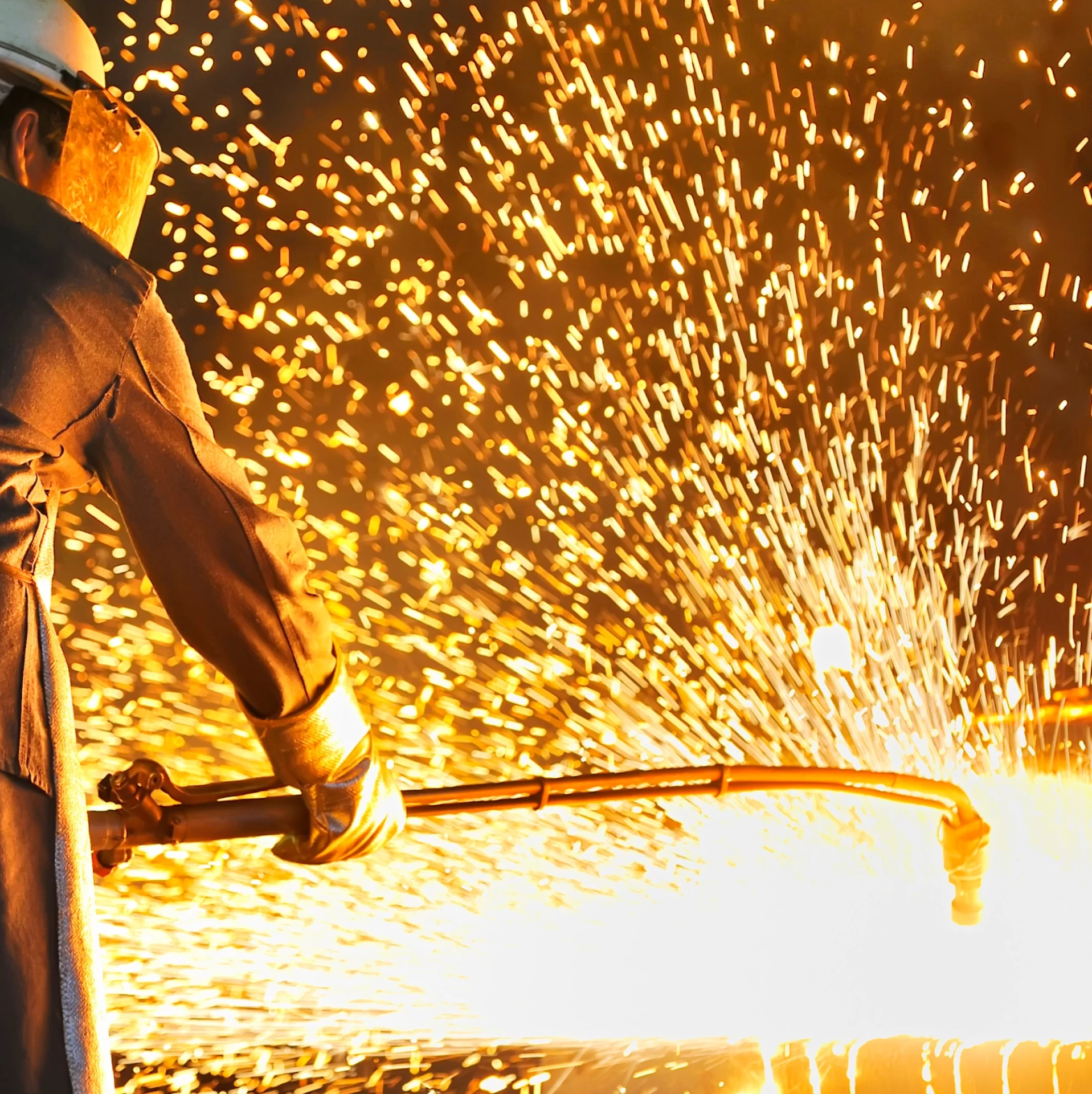
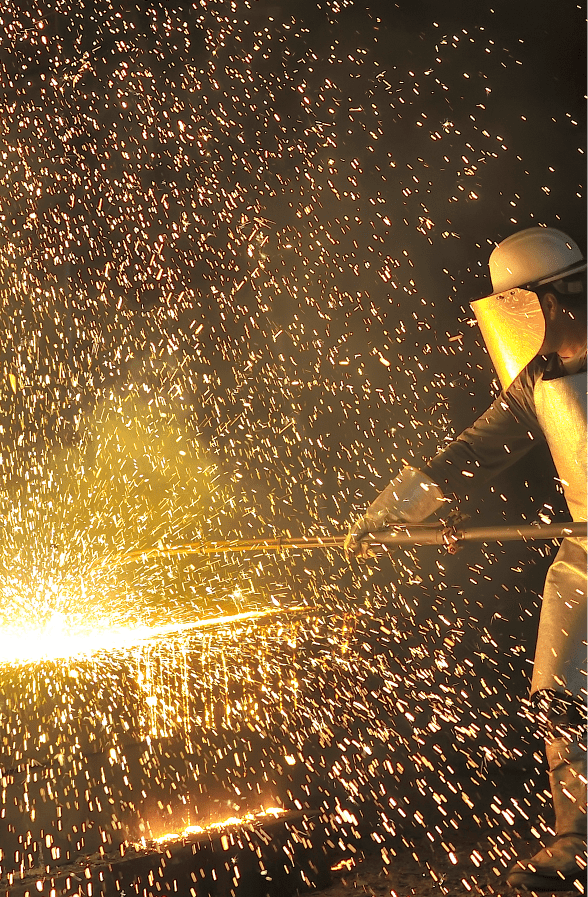
Essential for construction and heavy industries, heavy-duty scrap cutting torches are critical for ensuring safety and precision. They utilize precise gas mixtures and oxy-fuel gases like acetylene, propane, and natural gas to effectively cut through scrap metal. Proper maintenance, safe gas handling, and adjusting flame temperatures for various materials are key to achieving optimal cutting results.
A specialized tool in industries like construction and manufacturing, the heavy-duty straight scrap-cutting torch excels at slicing through thick metal. Its precise capabilities ensure both accuracy and safety in demanding environments.
Key Takeaways
Designed for cutting thick metals, heavy-duty straight scrap cutting torches are essential for efficient operation.
Optimal gas mixtures and precise flame temperature adjustments are crucial for performance and cut quality.
Regular maintenance and safety practices, including protective gear and correct gas storage, extend torch life and ensure user safety.
Torch Processing and Operation
Operating a heavy-duty straight scrap cutting torch involves precision and correct technique. Follow these streamlined steps for effective operation:
Prepare the Work Area: Clean the area of flammable materials and debris to ensure a safe environment.
Connect and Adjust Gas Supply: Securely attach gas cylinders and adjust the flow to create a stable flame, as per manufacturer guidelines.
Ignite and Adjust the Flame: Ignite the torch with a spark lighter, then adjust the flame to the desired temperature for effective cutting.
Cutting Process: Hold the torch at a 45-degree angle to the metal and move steadily along the cut line. Monitor and adjust the speed and angle as necessary.
Conclude Operation: After cutting, shut off the gas supply and allow the torch to cool before storing.
Gas Mixtures for Optimal Performance
The choice of gas mixture is critical in torch cutting, influencing the flame’s temperature and overall cutting effectiveness. Common mixtures include:
Acetylene and Oxygen: Preferred for heavy-duty cutting, producing a high-temperature flame suitable for thick metals.
Propane and Oxygen: Used for lighter tasks, offering a slightly cooler flame.
Natural Gas and Oxygen: Ideal for industrial settings, this mixture provides a moderate flame where natural gas is accessible.
Selecting the correct gas mixture is vital for cutting efficiency and material compatibility, with different metals requiring varied flame temperatures. Always refer to manufacturer guidelines or professional advice to ensure the right selection for your material and to follow safety protocols in handling and storage
Importance of Gas Safety in Torch Operation
Gas safety is paramount in torch cutting due to the flammable nature of gases used. Follow these essential safety practices:
Storage: Keep gas cylinders in well-ventilated areas, securely upright, away from heat, flames, and flammables.
Handling: Use protective cylinder caps and regularly inspect for any damage or leaks. Utilize suitable regulators and check hoses for damage before use.
Safety Equipment: Maintain ready access to fire extinguishers and familiarize with their use along with emergency procedures.
Flame Temperature and Its Effects on Cutting
Flame temperature critically affects the efficiency and quality of torch cutting. Factors influencing flame temperature include gas mixture, flow rate, torch tip size, and tip-to-metal distance.
High Flame Temperature: Enables faster and more efficient cutting but risks metal distortion or melting if too hot.
Low Flame Temperature: May lead to slower cutting speeds and incomplete cuts.
For optimal results, tailor the flame temperature to the specific metal's melting point. Adjust gas flow and torch tip size to achieve the desired temperature. Always consult manufacturer guidelines or professional advice for precise settings. It's advisable to practice on scrap metal to perfect temperature adjustments before cutting critical materials.
Understanding Oxy-Fuel Gases and Their Uses
Oxy-fuel gases are crucial for torch cutting, providing the heat needed to efficiently slice through metals. Key gases include:
Acetylene: Preferred for heavy-duty cutting due to its high-temperature flame, ideal for thick metals but requires careful handling due to high flammability.
Propane: Suitable for lighter tasks with its cooler flame and easier storage requirements.
Natural Gas: Often used in industrial settings for its availability and effectiveness on mild steel and other metals at lower temperatures.
Selecting the appropriate oxy-fuel gas depends on the metal type, thickness, and desired cutting speed. Always refer to manufacturer guidelines or consult with experts to choose the best gas for your specific needs.
Choosing the Right Torch Tip for Your Cutting Needs
The torch tip significantly impacts the cutting process, influencing the flame’s shape and function. Key varieties include:
Cutting Tips: Ideal for general metal cutting, these tips generate a neutral flame.
Heating Tips: Used to evenly heat metals before cutting or bending.
Gouging Tips: Effective for removing excess metal or engraving grooves, offering a wider flame.
Multi-flame Tips: Suitable for tasks requiring simultaneous heating and cutting.
Select the correct torch tip based on the metal’s thickness, the desired cutting speed, and the specific task at hand. Always refer to the manufacturer’s guidelines or consult experts to ensure optimal selection and use.
Common Torch Maintenance and Troubleshooting Tips
Maintaining your heavy-duty straight scrap cutting torch is crucial for its performance and lifespan. Effective maintenance prevents common problems like clogged tips, gas leaks, and inefficient cutting.
Maintenance and Troubleshooting Tips:
Clean the Torch Tip: Regularly use a wire brush or tip cleaner to avoid clogs.
Inspect Hoses and Cylinders: Check for damage or leaks and replace or repair as necessary.
Check the Torch Body: Ensure all parts are secure; tighten or replace any faulty components.
Test for Gas Leaks: Before use, apply soapy water to connections and look for bubbles indicating leaks.
Adjust Gas Flow and Pressure: Optimize for efficiency and stability, adjusting as necessary based on performance.
Consult a professional for persistent issues or uncertainties, and always follow manufacturer guidelines for safety and effectiveness.
Safety Precautions for Heavy Duty Torch Users
When operating a heavy-duty straight scrap cutting torch, prioritizing safety is crucial due to the inherent risks of high temperatures and pressures.
Key Safety Tips:
Personal Protective Equipment: Always wear safety glasses, gloves, and flame-resistant clothing.
Ventilation: Ensure the workspace is well-ventilated to avoid accumulation of flammable gases.
Fire Prevention: Keep combustibles away from the work area and use fire-resistant barriers to shield from sparks and heat.
Fire Safety: Have a fire extinguisher accessible for emergencies and avoid cutting near flammable materials or in confined spaces.
Post-Use Care: Allow the torch to cool before storage and never touch the torch tip or freshly cut metal without protection.
Gas Safety: Adhere to proper gas handling and storage guidelines to minimize risk.
Best Practices for Effective and Efficient Scrap Cutting with a Heavy Duty Torch
Optimize your use of a heavy-duty straight scrap cutting torch with these essential practices:
Select the Proper Tool: Use a torch designed for heavy-duty cutting through thick metal.
Operational Techniques: Prepare your workspace, ensure proper gas connections, adjust flame settings, and cut with precision.
Gas Mixture and Flame Temperature: Choose suitable gas mixtures and adjust flame temperatures according to the metal type for optimal cutting performance.
Safety First: Employ rigorous gas safety practices, wear the required personal protective equipment (PPE), and keep emergency gear like fire extinguishers accessible.
Maintenance and Troubleshooting: Regularly clean and inspect your torch, and adjust settings as necessary to maintain performance.
Educate and Equip: Familiarize yourself with torch operations, appropriate oxy-fuel gases, and correct torch tips for different cutting scenarios.
Optimize Your Scrap Metal Operations with IMX Scrap Services
Looking for expert assistance in scrap metal processing? Choose IMX Scrap for unparalleled expertise and tailored solutions that meet your unique needs. Whether you're tackling complex dismantling or need efficient processing techniques, we're here to help. Contact us today to learn how our services can benefit your projects and streamline your operations.
What is a Heavy Duty Straight Scrap Cutting Torch?
A heavy duty straight scrap cutting torch is a tool used for cutting metal scrap. It is designed to withstand high temperatures and is made of durable materials.
What are its benefits?
The torch offers rapid, efficient cutting of thick metals, exceptional durability, and the flexibility to handle different materials.
How does it work?
The torch offers rapid, efficient cutting of thick metals, exceptional durability, and the flexibility to handle different materials.
What safety precautions are necessary?
Ensure safety by wearing protective gear (gloves, goggles, face shield), maintaining a well-ventilated area, and keeping the torch away from flammables. Always follow the manufacturer's guidelines and undergo proper training.
IMX Scrap Services is a leading scrap metal torching company based in Wheaton, IL in the Chicagoland. Founded by Fred Barker, IMX has been servicing the whole continental United States with top-notch torching, recycling, and removal services with over 30 years of experience. Our team of experts is equipped with state-of-the-art equipment and techniques to ensure that we deliver high-quality results that meet and exceed our clients' expectations. We take pride in being a responsible and reliable partner for our clients, and we are committed to providing sustainable and environmentally friendly services.