
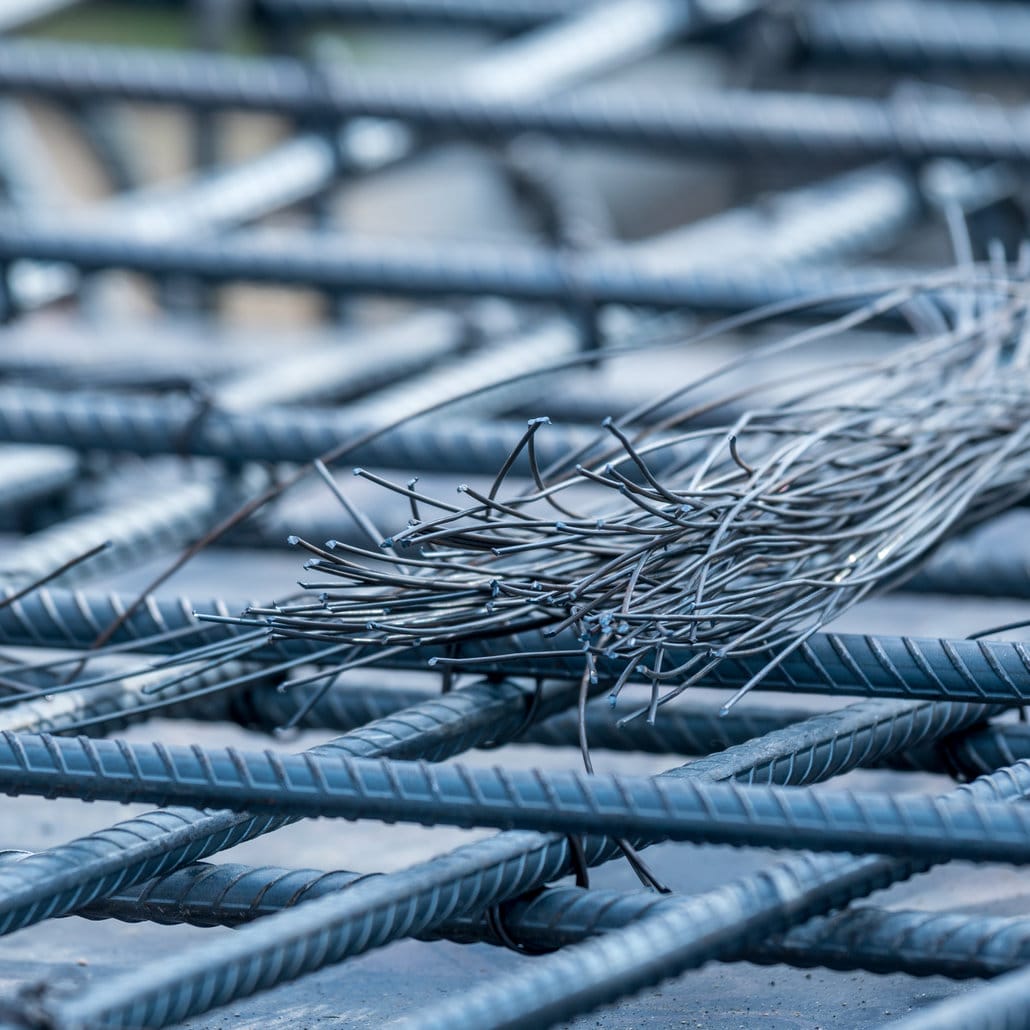
Stainless steel is a durable material used in various applications. It is made from raw materials like iron ore and chromium, and can be recycled when no longer needed. Recycling stainless steel is important to conserve resources, reduce waste, and minimize environmental impact.
Scrap yard processing is an essential step in the recycling of stainless steel and other metals. When stainless steel reaches the end of its life cycle, it is often taken to a scrap yard where it is sorted and processed before being recycled. Scrap yard processing involves several steps, including sorting, separating, and preparing the metal for recycling.
Proper sorting and separation are crucial in scrap yard processing. Stainless steel is often mixed with other metals or materials, such as aluminum or plastic. In order to recycle stainless steel efficiently, it must be separated from these other materials. This is typically done through manual sorting or using specialized equipment that can detect and separate different types of metals.
Ferrous metals are metals that contain iron, while non-ferrous metals do not. Stainless steel is considered a ferrous metal because it contains iron as one of its main components. Other examples of ferrous metals include cast iron, carbon steel, and wrought iron. Ferrous metals are known for their strength and durability, which makes them suitable for a wide range of applications.
Non-ferrous metals, on the other hand, do not contain iron. Examples of non-ferrous metals include aluminum, copper, brass, and lead. Non-ferrous metals are often used in applications where their non-magnetic properties or resistance to corrosion are important. These metals are also highly recyclable and can be melted down and reused without losing their properties.
Recycling stainless steel offers several environmental benefits. First, it helps to conserve natural resources by reducing the need for new raw materials. Stainless steel is made from a combination of iron ore, chromium, and other elements. By recycling stainless steel, we can reduce the demand for these materials and minimize the environmental impact of mining and extraction.
In addition to conserving resources, recycling stainless steel also helps to reduce waste and minimize the environmental impact of manufacturing. Stainless steel is a highly recyclable material, and by recycling it, we can divert waste from landfills and reduce greenhouse gas emissions associated with the production of new stainless steel. Recycling stainless steel also requires less energy compared to producing new stainless steel from raw materials, further reducing its environmental footprint.
Economically, using recycled stainless steel can be cost-effective for manufacturers. Recycling stainless steel reduces the need for new raw materials, which can be expensive to extract and process. By using recycled stainless steel, manufacturers can save on production costs and pass those savings onto consumers. Additionally, the recycling industry creates jobs and stimulates economic growth in local communities.
Ferrous scrap processing involves several steps, including sorting and separating the different types of ferrous metals. When stainless steel and other ferrous metals reach the scrap yard, they are often mixed with other materials, such as aluminum or plastic. In order to recycle ferrous metals efficiently, they must be separated from these other materials.
Sorting and separating ferrous scrap can be done manually or using specialized equipment. Manual sorting involves visually inspecting the scrap and separating it based on its appearance and magnetic properties. This method is often used for smaller pieces of scrap or when the composition of the metal is not known.
Specialized equipment, such as magnetic separators and eddy current separators, can also be used to sort and separate ferrous scrap. Magnetic separators use magnets to attract and separate ferrous metals from non-ferrous metals and other materials. Eddy current separators use a rotating magnetic field to induce currents in non-ferrous metals, which then repel them away from the rest of the scrap.
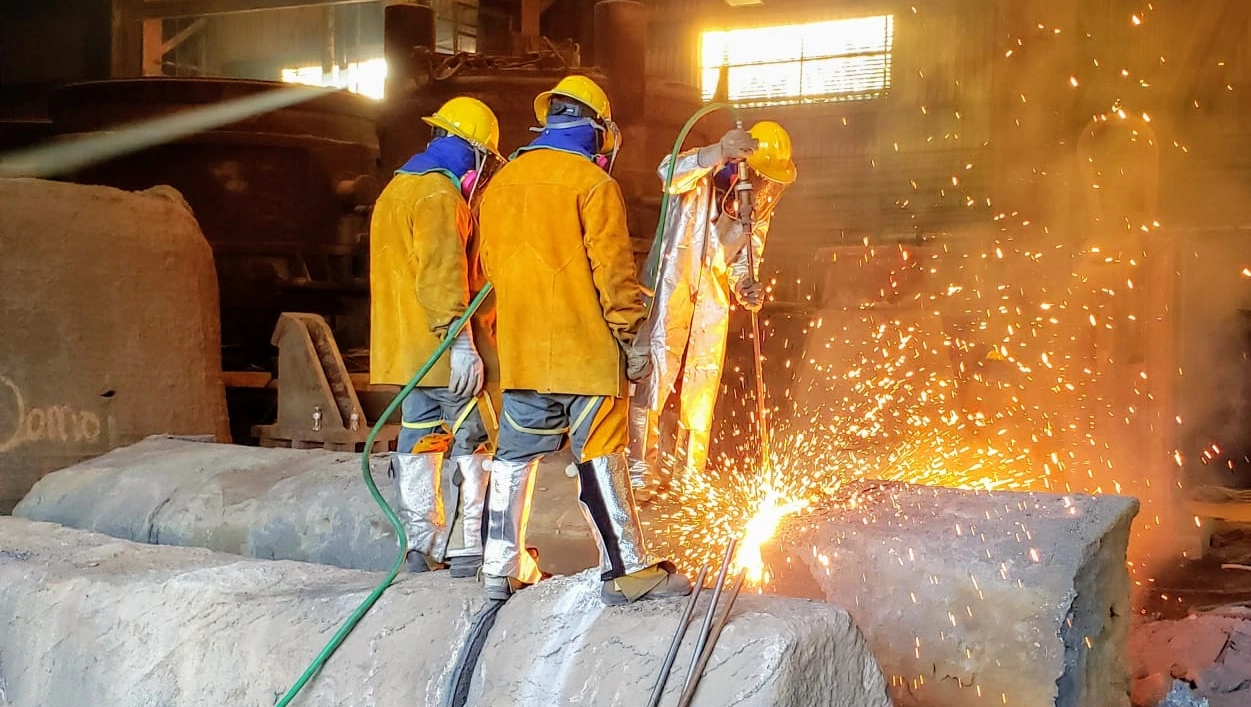
Scrap torching crews play a crucial role in the recycling process by turning scrap metal into usable material. When stainless steel and other metals reach the scrap yard, they are often in large, bulky pieces that need to be cut down to size before they can be recycled. Scrap torching crews use torches or plasma cutters to cut through the metal and separate it into smaller, more manageable pieces.
The process of torching scrap metal involves heating the metal to a high temperature using a torch or plasma cutter. This heat melts the metal, allowing it to be cut through easily. Once the metal has been cut, it can be further processed and prepared for recycling.
Turning scrap metal into usable material is important because it allows for more efficient recycling. By cutting down large pieces of scrap metal into smaller pieces, it becomes easier to sort and separate different types of metals. This helps to ensure that each type of metal can be recycled properly and used to create new products.
Melting and refining scrap stainless steel is a critical step in the recycling process. Once stainless steel has been sorted, separated, and prepared, it is melted down in a furnace to remove impurities and create a new material that can be used to make new products.
The melting process involves heating the stainless steel to a high temperature until it becomes molten. This molten metal is then poured into molds or cast into ingots, which can be further processed into various shapes and sizes. During the melting process, impurities such as dirt, oil, and other contaminants are burned off or skimmed off the surface of the molten metal.
Refining the molten stainless steel involves adjusting its composition to meet specific requirements. This can be done by adding or removing certain elements or adjusting the temperature and other parameters of the refining process. The goal of refining is to produce stainless steel with the desired properties, such as strength, corrosion resistance, and heat resistance.
After the molten stainless steel has been refined, it is ready to be rolled and shaped into its final form. Rolling is a process that involves passing the stainless steel through a series of rollers to reduce its thickness and shape it into sheets or plates. This process can also be used to create other forms of stainless steel, such as bars, rods, or tubes.
The rolling process begins by heating the stainless steel to a high temperature to make it more malleable. The heated stainless steel is then passed through a series of rollers that gradually reduce its thickness and shape it into the desired form. The rollers exert pressure on the stainless steel, causing it to elongate and become thinner.
Shaping stainless steel involves using various techniques, such as bending, cutting, or welding, to create the desired form. This can be done manually or using specialized equipment, depending on the complexity of the shape and the size of the stainless steel.
Quality control and inspection are crucial in the production of new stainless steel products. Stainless steel is used in a wide range of applications, from kitchen appliances to construction materials, and it is important that these products meet certain standards and specifications.
Quality control involves monitoring and controlling the production process to ensure that the stainless steel products meet the desired quality standards. This can include testing the composition and properties of the stainless steel, as well as inspecting the finished products for defects or imperfections.
Inspection involves visually inspecting the stainless steel products to ensure that they meet certain criteria, such as size, shape, and surface finish. This can be done manually or using automated inspection systems that can detect and measure various parameters of the stainless steel products.
By implementing quality control and inspection processes, manufacturers can ensure that their stainless steel products are of high quality and meet customer expectations. This helps to build trust and confidence in the brand and ensures that the products will perform as intended.
Stainless steel is a versatile material that is used in a wide range of applications across various industries. Its unique properties, such as corrosion resistance, strength, and durability, make it suitable for many different uses.
In the construction industry, stainless steel is used for structural components, such as beams and columns, as well as for cladding and roofing materials. Its resistance to corrosion makes it ideal for outdoor applications where it is exposed to harsh weather conditions.
In the automotive industry, stainless steel is used for various components, such as exhaust systems, fuel tanks, and body panels. Its strength and resistance to heat make it suitable for these applications.
In the food and beverage industry, stainless steel is used for equipment and utensils, such as sinks, countertops, and cookware. Its resistance to corrosion and ease of cleaning make it hygienic and safe for food preparation.
In the medical industry, stainless steel is used for surgical instruments, implants, and medical devices. Its biocompatibility and resistance to corrosion make it suitable for these applications.
In the energy industry, stainless steel is used for pipelines, storage tanks, and power generation equipment. Its resistance to corrosion and high-temperature properties make it ideal for these applications.
The lifecycle of stainless steel begins with the extraction of raw materials and the manufacturing of stainless steel. Once stainless steel reaches the end of its life cycle, it can be recycled and transformed into new products, starting the cycle all over again. Recycling stainless steel is important for sustainability and economic benefits. It helps to conserve natural resources, reduce waste, and minimize the environmental impact of manufacturing. Proper processing techniques, such as sorting, separating, melting, refining, rolling, shaping, and quality control, are crucial in the recycling and production of stainless steel products. Stainless steel has many applications across various industries due to its unique properties, such as corrosion resistance, strength, and durability. By recycling stainless steel and using it in new products, we can contribute to a more sustainable future.
If you're interested in learning more about the scrap metal industry and the various services offered by IMX Scrap, be sure to check out their website at https://imxscrap.com/. From scrap metal processing services to their comprehensive sitemap, IMX Scrap provides valuable resources for understanding the lifecycle of stainless steel and how it can be transformed from the scrap yard to new beginnings. For any inquiries or further information, don't hesitate to reach out to them through their contact page at https://imxscrap.com/contact-us/.
Stainless steel is a type of steel that contains at least 10.5% chromium, which gives it its unique properties such as corrosion resistance, durability, and strength.
There are five main types of stainless steel: austenitic, ferritic, martensitic, duplex, and precipitation hardening. Each type has its own unique properties and uses.
The lifecycle of stainless steel begins with the mining of raw materials such as iron ore, nickel, and chromium. These materials are then processed into stainless steel at a steel mill. The stainless steel is then used in various applications such as construction, automotive, and aerospace. At the end of its useful life, stainless steel can be recycled and turned into new stainless steel products.
Recycling stainless steel has many benefits, including reducing the amount of waste in landfills, conserving natural resources, and reducing energy consumption. Additionally, recycled stainless steel is just as strong and durable as new stainless steel.
Stainless steel is recycled by first collecting scrap metal from various sources such as construction sites, manufacturing facilities, and households. The scrap metal is then sorted and processed to remove any impurities. The resulting material is melted down and turned into new stainless steel products.
Stainless steel is used in a wide range of applications, including construction, automotive, aerospace, medical equipment, and kitchen appliances. Its unique properties make it ideal for use in environments where corrosion resistance, durability, and strength are important.

IMX Scrap Services is a leading scrap metal torching company based in Wheaton, IL in the Chicagoland. Founded by Fred Barker, IMX has been servicing the whole continental United States with top-notch torching, recycling, and removal services with over 30 years of experience. Our team of experts is equipped with state-of-the-art equipment and techniques to ensure that we deliver high-quality results that meet and exceed our clients' expectations. We take pride in being a responsible and reliable partner for our clients, and we are committed to providing sustainable and environmentally friendly services.